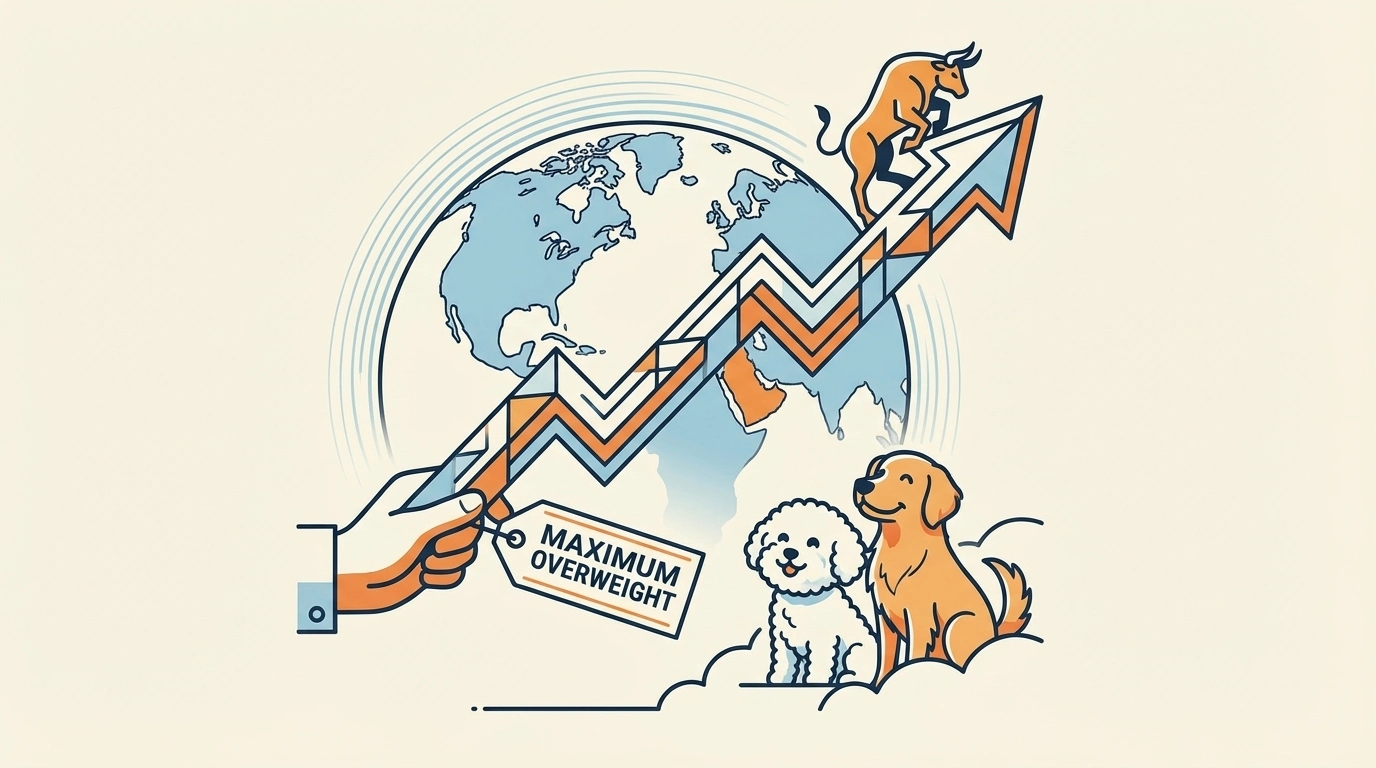
Global investment bank HSBC has judged that concerns over a surge in oil prices due to a war between the US and Iran have passed their peak, and has upgraded its equity investment allocation to the highest tier, 'Maximum Overweight'. This is the most optimistic equity investment position regarding market conditions.
Peak Fear, a Buying Opportunity Similar to the Early 2020 Pandemic
HSBC strategist Max Kettner analyzed that the recent risk aversion by investors and market selling pressure caused by geopolitical tensions will be temporary. Comparing the current situation to market conditions during the early days of the COVID-19 pandemic in March 2020, he explained that if one looks past the immediate uncertainty, the initial panic-driven sell-off could rather become an excellent buying opportunity. He cited as evidence that news suggesting a possible end to the conflict is acting as a 'game changer' that shifts market trends, and that extreme fear has been priced into the market, as seen with the Volatility Index (VIX) futures curve reaching backwardation at levels similar to March 2020.
Preference for Asian and European Equities, Overweight on Emerging Market Debt
Accordingly, HSBC recommends buying the assets that have fallen the most since the Middle East conflict began. Regionally, it prefers Asian and European stock markets over the US, and has tactically re-established an overweight position in Japanese equities.
A clear preference was also shown in the bond market. It prefers UK government bonds (Gilts) and the bonds of non-core European countries over German government bonds (Bunds) and US and Japanese government bonds, and is strongly maintaining an overweight position in Emerging Market Debt as well.
Potential risks still remain. However, there are counterarguments that such a highly bullish bet by HSBC might be premature. This is because if the conflict between the US and Iran intensifies further contrary to expectations, or if disruptions to the crude oil supply chain develop to a more severe level than the market expects, it could cause sustained energy price increases and market volatility. While anticipating a recovery in asset prices due to reduced geopolitical risks, investors will need to carefully monitor the possibility of the situation deteriorating.
Company financial data, investment reports, and startup analysis — all in one place
Explore PitchdeckCurated news, every week — straight to your inbox
Every Friday · Unsubscribe anytime